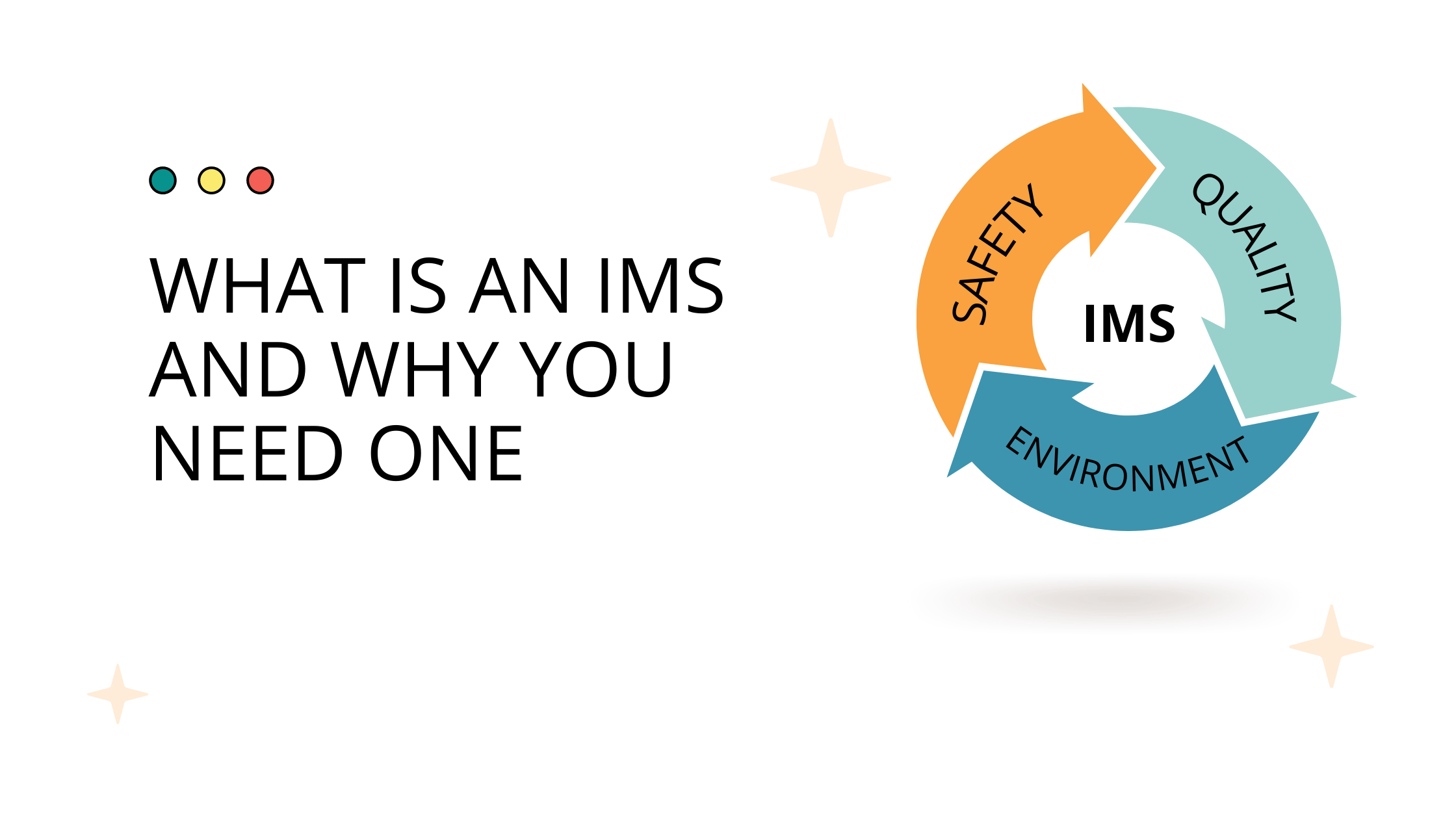
What is an Integrated Management System and why you need one
 Sofia Kargioti
In today's business landscape, organizations are looking for ways to streamline their operations, reduce costs, and improve their performance. One approach that many companies have adopted is the use of an Integrated Management System (IMS). In this article, we will explore what an IMS is, its benefits, and why your organization needs one.
What is an Integrated Management System (IMS)?
An IMS is a management system that integrates multiple standards into one cohesive system. It is designed to provide a systematic approach to managing an organization's operations, processes, and procedures. The integration of multiple standards into one system provides a holistic approach to managing the business. An Integrated Management System can incorporate a variety of standards, including quality management, environmental management, health and safety management, and information security management, among others.
Benefits of an IMS
- Streamlined Operations: An IMS helps organizations streamline their operations by integrating multiple systems into one cohesive system. This reduces duplication of efforts and improves efficiency by eliminating redundant activities.
- Improved Communication: It provides a common language and framework for communication across the organization. This improves communication and collaboration between departments, leading to better decision-making.
- Reduced Costs: Implementing an IMS can help organizations reduce costs by eliminating duplication of efforts, improving efficiency, and reducing the need for multiple audits.
- Better Risk Management: An Integrated Management System provides a systematic approach to risk management by identifying, assessing, and managing risks across the organization. This leads to improved risk management and better decision-making.
- Improved Compliance: An IMS helps organizations meet regulatory requirements by incorporating relevant standards into one system. This reduces the need for multiple audits and ensures that the organization is compliant with all relevant regulations.
Why you need an Integrated Management System
An Integrated Management System can provide many benefits to organizations of all sizes and across all industries. It can help you improve your operations, reduce costs, and ensure compliance with regulatory requirements. An IMS can also help you improve your risk management and decision-making processes. By implementing an IMS, you can improve communication and collaboration across departments, leading to better overall performance.
Management Systems Standards that can be combined in an IMS
Several management system standards can be combined in an Integrated Management System to improve the efficiency and effectiveness of an organization's management processes. The most commonly integrated management system standards are:
- ISO 9001: Quality Management System (QMS)
- ISO 14001: Environmental Management System (EMS)
- ISO 45001: Occupational Health and Safety Management System (OHSMS)
- ISO 27001: Information Security Management System (ISMS)
Other management system standards that can be integrated into an IMS include:
- ISO 50001: Energy Management System (EnMS)
- ISO 22000: Food Safety Management System (FSMS)
- ISO 13485: Medical Devices Quality Management System (MDQMS)
Combining these standards into an IMS can help an organization reduce duplication, improve communication, and streamline processes. It can also help the organization identify and manage risks and opportunities more effectively, leading to improved overall performance.